



The Role of Luck in Casino Games
Luck is often perceived as the primary driving force behind many casino games, especially those that are fundamentally based on chance, such as slot machines and roulette. When players step into these environments, they do so with a sense of anticipation, believing that a stroke of good fortune could lead to substantial winnings. The randomness that characterizes these games ensures that outcomes are unpredictable, with every spin of the reels or roll of the dice holding the potential for either considerable loss or unexpected gain. For those seeking a thrilling experience, Betano casino offers a variety of games that embrace this unpredictability, enhancing the excitement of casino play and drawing individuals into a world where fortunes can change in an instant.
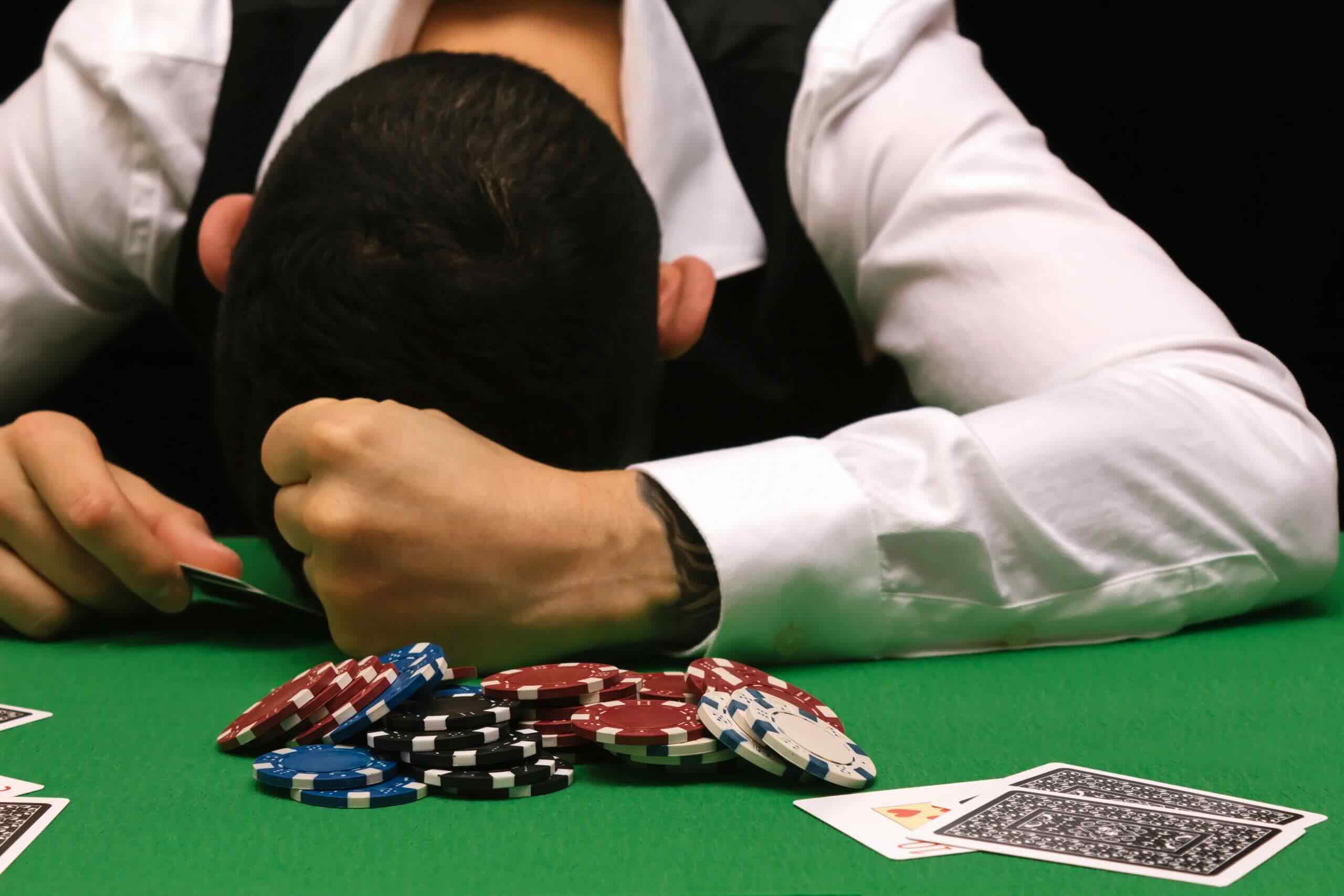
While the significance of luck in casino gaming is undeniable, understanding its limitations is equally important. Many players may experience fleeting moments of success based on luck, but achieving consistent long-term success is rarely possible through chance alone. Casinos are ingeniously designed to maintain a house edge, which means that over time, the likelihood is that players will lose more often than they win, regardless of how fortunate they may feel during a particular session. This inherent balance between chance and the structured design of games emphasizes the necessity of comprehending the odds and probabilities before engaging in casino activities, allowing players to make more informed choices.
Moreover, luck plays a crucial psychological role in shaping the overall experience of players. Stories shared among gamblers often revolve around impressive winning streaks that reinforce their belief in the ephemeral nature of luck. This phenomenon amplifies the thrill of casino visits, as players may convince themselves they are “due” for a win after experiencing a series of losses, leading to a cycle of continued play fueled by the hope that luck will ultimately turn in their favor. The intricate interplay of chance within this context creates not only a captivating atmosphere but also fosters a wide range of emotional responses, rendering the entire casino experience both exhilarating and complex.
The Importance of Skill in Casino Games
While luck undoubtedly plays a significant part in the casino landscape, skill becomes paramount in various games, especially those that require strategic thinking and informed decision-making, such as poker and blackjack. Players in these games must possess a deep understanding of the rules, analyze their opponents’ behaviors, and execute calculated decisions that can profoundly influence their outcomes. Unlike games of pure chance, where results are entirely random, skilled players can enhance their chances by employing strategies that aim to maximize potential gains while minimizing losses, thus creating a more engaging and tactical gaming experience.
For instance, in poker, players are not only tasked with understanding the probabilities associated with their hands but must also be adept at reading their opponents’ facial expressions and betting patterns. A seasoned poker player often blends experience with intuition and analytical skills to navigate the multifaceted nature of the game. This combination of skill and a bit of luck can yield a competitive edge, distinguishing successful players from those who may rely solely on chance, thus highlighting the importance of skill in certain casino settings.
Furthermore, skill-based games often cultivate a sense of community among players, as they can share strategies, tips, and experiences. This communal aspect enhances the overall gaming experience, encouraging individuals to refine their skills through practice and discussion. Over time, this collective pursuit of skill development leads to a more intellectual approach to gaming, where players continuously adapt their strategies in response to evolving circumstances, ultimately merging both skill and luck into a dynamic practice of casino play that keeps the games fresh and engaging.
The Balance of Luck and Skill
The ongoing narrative of casino gaming reveals a complex balance between luck and skill, which is often subjective and deeply personal for each player. While some may attribute their wins to sheer luck, others may firmly believe that their success is rooted in their experience and strategic approach. This duality fosters rich discussions among players, where the debate over the dominance of skill versus luck varies based on individual experiences and perspectives. The interplay of these two elements significantly influences players’ motivations, engagement levels, and overall satisfaction during their casino adventures.
Interestingly, different games are designed with varying emphasis on luck or skill. For example, games like craps hinge heavily on luck, as players have no control over the outcome of the dice rolls. In contrast, games like blackjack provide a platform where skilled players can effectively implement their strategies and make informed decisions based on the cards they are dealt. This diversity enriches the casino experience, allowing players with different preferences and skill levels to find their ideal gaming niche, whether they are seeking luck or aiming to apply skill.
Moreover, the continuous evolution of the casino industry and advancements in gaming technology have blurred the lines between luck and skill. New gaming formats and variations frequently introduce elements that require strategic consideration while maintaining aspects of chance. This evolution not only enhances the gaming experience but also attracts a broader audience, appealing to both casual players seeking luck and skilled strategists looking for a challenge. As the casino landscape continues to grow and innovate, the dynamic interplay between luck and skill evolves, creating a vibrant and ever-changing environment for players.
Player Psychology and Casino Experience
The psychological dimensions of participating in a casino cannot be overlooked, as they significantly impact how players perceive luck and skill. When entering casinos, players often carry preconceived notions about their luck and personal abilities, shaping their behaviors, decision-making processes, and emotional reactions during gameplay. For instance, a player who believes they possess good luck may take more risks, leading to both extraordinary wins and substantial losses, thereby illustrating how personal beliefs can directly influence gambling outcomes.
Additionally, the casino environment itself plays a crucial role in reinforcing its psychological allure. The sounds of spinning reels, the flashing lights, and the palpable buzz of excitement create an atmosphere that enhances both luck and skill-based gaming. This sensory overload can amplify emotional responses, occasionally leading players to make impulsive decisions rather than thoughtful, calculated ones. Understanding these psychological triggers is vital for players aiming for a comprehensive approach to gambling, as awareness can significantly enhance their ability to manage both emotional and strategic components of their gaming experiences.
Finally, as players navigate their journeys in casinos, the surrounding community becomes a key factor in shaping their experiences. Interactions with fellow gamblers can amplify both the emotional highs of winning and the lows of losing, reinforcing narratives surrounding luck and skill. A shared winning streak can become a collective celebration of good fortune, while losses can foster a sense of camaraderie rooted in mutual understanding and support. This interconnectedness complicates individual perceptions of luck and skill, revealing the social dimensions that also contribute to the rich tapestry of the casino landscape.
Your Journey in the Casino World
As you embark on your journey within the casino realm, grasping the dynamics of luck and skill is essential. Whether your interests lie in the randomness of slot machines or the strategic engagement offered by table games, recognizing your position within this spectrum can significantly enhance your overall experience. Educating yourself about the games you choose to play empowers you to make informed decisions, allowing you to navigate the delicate balance between luck and skill effectively.
Moreover, the importance of responsible gaming cannot be overstated. An appreciation for the interplay of luck and skill can lead to more sustainable and enjoyable gaming experiences overall. By setting limits, remaining informed, and acknowledging the psychological elements at play, you can cultivate a balanced approach that fosters both enjoyment and mindfulness in your casino pursuits. This awareness not only helps in managing expectations but also contributes to a more enriching experience.
Ultimately, your approach to casinos will be uniquely your own, shaped by personal experiences, beliefs, and interactions. Embracing the intricate dance of luck and skill enables a deeper engagement with casino gaming, leading to more rewarding experiences and potentially favorable outcomes. As you delve into this vibrant world, remember that both elements are at play, contributing to the multifaceted nature of your gaming adventure and enriching your journey in the casino landscape.